Basil Seeds in Ireland
Basil is the herb Irish gardeners fail with most often, and it is worth saying plainly why. It evolved in hot dry places and wants warmth, sun and a compost that dries between waterings. An Irish summer offers cool nights and damp air, so basil planted outdoors here sulks, blackens and rots. Grown on a sunny windowsill or in a greenhouse it is perfectly straightforward. This page gives the dates and the conditions that actually work here rather than the ones on the back of the packet.
Sowing and harvest calendar for Ireland
Months shaded below are the reliable windows for Irish conditions.
Quick facts
- Botanical name
- Ocimum basilicum
- Difficulty
- Challenging
- Hardiness
- Tender, no frost tolerance
- In Ireland
- Needs a greenhouse or tunnel
- Germination
- 5 to 14 days at 18 to 25C
- Sowing depth
- 5mm
- Spacing
- 20cm apart, 25cm between rows
- Position
- Full sun
- Containers
- Grows well in pots
- Sowing to harvest
- 8 to 12 weeks
- Harvest
- June to September
Sowing depth and spacing
Drawn to scale from the figures in this guide.
How deep, seen from the side
How far apart, seen from above
The best basil varieties for Irish gardens
Picked for how they perform in a cool, damp, short summer rather than for catalogue photos.
Sweet Genovese
Open pollinated / Sweet basil, large leaved
The pesto basil, and the one worth the extra fuss, but only if you have a greenhouse or a genuinely sunny south facing sill.
Growing notes and stockistsGreek Basil
Open pollinated / Bush basil, small leaved
The basil to start with if you have failed with basil before. Small leaves, dense growth, and far more tolerant of cool damp air.
Growing notes and stockistsDark Opal
Open pollinated / Purple leaved sweet basil
Grown for the colour more than the harvest. Slower and fussier than green basil, so give it the warmest brightest spot you have.
Growing notes and stockistsThai Basil
Open pollinated / Thai or anise basil
Worth growing for the aniseed flavour that holds up in a hot wok, but it is greenhouse only in Ireland and slow to start.
Growing notes and stockistsHow to sow basil seeds
Sow from mid-March to early June into fresh, fine seed compost, never reused compost, because damping off is the main thing that kills basil seedlings and it comes out of dirty compost and stale trays.
Fill a small pot or module tray, firm lightly, and water it before sowing. Scatter the seed thinly on the surface and cover with about 5mm of compost or a dusting of vermiculite. Basil seed produces a slight gel coat when wet, which is normal and helps it grip moisture.
It needs 18 to 25C to germinate reliably. A heated propagator is the easy answer, an airing cupboard works for the few days before the shoots appear, and a windowsill in an unheated room in March does not. Seedlings show in five to fourteen days.
The moment they appear, take the lid off and move them into the brightest window in the house. Leaving the lid on past germination is the standard route to a tray of collapsed seedlings, because trapped humidity is exactly what damping off wants.
Prick out into individual 9cm pots at the first pair of true leaves, or thin each module to two or three seedlings and grow them on as a small clump, which is how the trade does it and which produces a fuller pot faster.
Growing on in Irish conditions
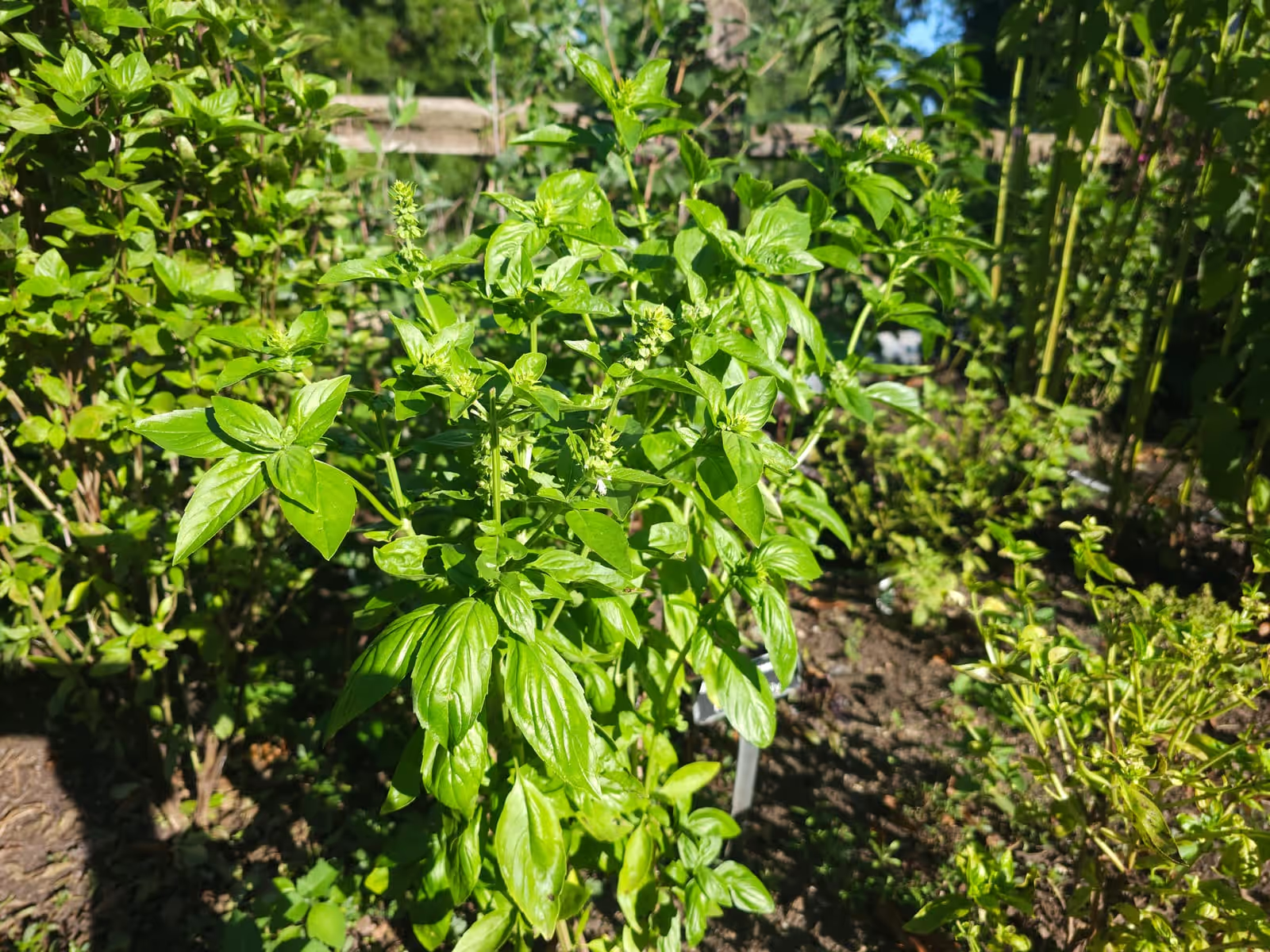
Basil needs the warmest, brightest, driest place you can give it. In practice that means a south facing windowsill, a porch, a conservatory, a greenhouse or a polytunnel. It is not a bedding plant here and putting it in an open border in May is the most common way people lose it.
Water in the morning and only when the top two centimetres of compost feel dry. A basil plant in permanently wet compost looks limp and thirsty, which fools most people into watering it again, and the roots rot. Standing the pot in a saucer of water is the worst thing you can do to it.
Watch the nights rather than the days. Basil stops functioning below about 10C, so a plant that sits on a windowsill behind a closed curtain on a cold May night is getting the worst of both. Move pots into the room in the evening until June.
Feed lightly, if at all. A general liquid feed at half strength every three weeks is enough for a plant in a pot. Overfed basil grows big soft leaves with less aroma and more susceptibility to rot.
Give plants space. Twenty centimetres apart in a greenhouse bed sounds generous for a herb, but crowded basil in humid air is where downy mildew and botrytis start.
Harvesting
Do not pick single leaves off the stem. Cut whole stems back to just above a pair of leaves, and the plant will send out two new shoots from that point. Done regularly from when the plant is about 15cm tall, this turns one lanky stem into a bush and roughly doubles what you get from a plant over a season.
Pinch out flower spikes on sight. Once basil flowers, leaf production slows and the flavour hardens.
Basil is at its best used within an hour of cutting. If you need to keep it, stand the cut stems in a glass of water on the counter, out of direct sun. Never put basil in the fridge, at any stage, whole plant or cut leaves. Below about 10C the leaves go black and translucent within a day or two, which is the same cold injury that kills the plant outdoors.
For a surplus at the end of the season, blend the leaves with oil and freeze the paste in an ice cube tray. Basil dries poorly and loses most of what makes it worth growing.
What goes wrong with basil in Ireland
Damping off in seedlings
Signs: Seedlings collapse at soil level within days of germinating, the stem base turning thin, brown and water soaked.
What to do: The classic basil failure and almost always a watering and airflow problem. Use fresh seed compost rather than reused, water from below and let the surface dry between waterings, sow thinly so the seedlings are not touching, and never cover a tray with a propagator lid once germination has happened. A small fan or an open window on mild days moves enough air to prevent it.
Blackening stems and leaves
Signs: Dark patches on the stem near the base, leaves going black at the edges then dropping, the plant collapsing over a week or two.
What to do: Cold and wet together. Basil below about 10C stops taking up water, so the compost stays saturated and the roots rot. Move plants off cold windowsills at night, never leave them between the glass and closed curtains, and water in the morning so the compost is not soaking overnight. If the plant is outdoors, bring it in; it will not recover out there.
Overwatering
Signs: Yellowing lower leaves, a limp plant that looks thirsty but does not respond to more water, sour smelling compost.
What to do: Basil should be watered when the top two centimetres of compost are dry, not on a schedule. A drooping basil in soaking compost is drowning, not thirsty, which is the single commonest mistake made with it. Make sure the pot drains freely and never leave it standing in a saucer of water.
Leggy pale seedlings
Signs: Long thin stems, wide gaps between leaf pairs, plants leaning hard towards the window.
What to do: Too little light, usually from sowing too early. Basil sown in February on an Irish windowsill will stretch badly. Wait until mid-March at the earliest, turn the tray daily, and use the brightest south facing glass you have. Leggy basil cannot be rescued by burying the stem the way tomatoes can, so it is better to resow.
Bolting and flowering
Signs: A spike of small white flowers forming at the top of each stem, leaves getting smaller, flavour turning harsh.
What to do: Normal behaviour once the plant matures, and the end of useful leaf production if allowed to continue. Pinch out every flower spike as soon as you see it, taking the top pair of leaves with it. Harvesting properly, by cutting stems above a leaf pair rather than picking single leaves, delays flowering considerably.
Downy mildew
Signs: Yellowing between the leaf veins on the upper surface with a grey purple fuzz underneath, spreading through a whole batch quickly.
What to do: Basil downy mildew has become common in the last two decades and thrives in exactly the humid conditions an Irish greenhouse produces. There is no cure once a plant has it. Space plants generously, ventilate hard, water the compost rather than the foliage, avoid watering in the evening, and destroy affected plants rather than composting them.
Where to buy basil seeds in Ireland
Irish suppliers that stock this, so postage stays domestic and seed arrives in time to sow. These are plain links, not paid placements.
Order online
- Quickcrop Irish Greek, lime and sweet Genovese basil Ballymote based, lists sowing and harvest months per product and ships across Ireland. Visit Quickcrop , Co. Sligo
- Fruit Hill Farm Irish Certified organic herb seed Bantry based supplier to Ireland's commercial organic growers. Certified organic and biodynamic seed, mail order only. Visit Fruit Hill Farm , Co. Cork
- Seedaholic Irish Culinary herb range including Thai basil Family run in Clonbur since 2005, deep heirloom range with detailed growing notes on every packet. Visit Seedaholic , Co. Galway
Garden centres and mixed retailers
- Mr Middleton Irish Six basil varieties, the widest choice here Mail order arm of a long established Mary Street shop, carries the familiar named varieties the organic specialists skip. Visit Mr Middleton , Co. Dublin
- Johnstown Garden Centre Irish Four basil lines including organic Third generation family business near Naas with the widest branded range, though popular varieties sell out by midsummer. Visit Johnstown Garden Centre , Co. Kildare
- The Organic Centre Irish Small organic herb list from Co. Leitrim Registered Irish charity at Rossinver with a 19 acre demonstration garden behind the seed catalogue. Visit The Organic Centre , Co. Leitrim
Common questions
Can you grow basil outdoors in Ireland?
Honestly, not well. In a sheltered sunny courtyard on the south or east coast you may get a reasonable crop in a good July and August, but for most of the country an outdoor basil plant produces a few small leaves and then blackens with the first cold wet spell. The problem is night temperature and humidity rather than daylight. If you want basil in Ireland, grow it in a pot on a sunny windowsill, in a porch, in a greenhouse or in a polytunnel. Treating it as a houseplant that occasionally goes outside on hot days is a far more productive approach than treating it as a garden herb.
Why does my basil keep dying?
In an Irish house, nearly always one of three things: too much water, not enough warmth, or not enough light. Basil wants the compost to dry slightly between waterings, so a plant sitting permanently damp will rot at the base even though it looks like it needs more water. Cold nights on a windowsill behind closed curtains, where the temperature can drop close to the outside air, do the rest. And a north facing window simply does not have the light to keep it going. Move it to the sunniest south facing sill in the house, water in the morning only when the surface is dry, and keep it out of draughts.
When should I sow basil seeds in Ireland?
Mid-March to early June, indoors, with a minimum of 18C to germinate. There is no point sowing in February here because light levels will produce stretched seedlings that never recover. A late April sowing catches up with a March one very quickly, so if in doubt sow later rather than earlier. A final sowing in early June gives young plants for a windowsill into October. Basil is never sown directly outdoors in Ireland.
How do I keep a supermarket pot of basil alive?
Do not try to keep the pot as it is. That pot contains dozens of seedlings forced under glass and crammed together, competing for the same small root ball, which is why it collapses within a fortnight at home. Tip it out, tease the root ball into three or four clumps, and pot each clump into its own 10cm pot of fresh multipurpose compost. Water them in, keep them somewhere bright and warm, and let them dry slightly between waterings. Split like this they will grow on for months instead of weeks.
Should I pinch out basil flowers?
Yes, and it makes a bigger difference than almost any other thing you do with the plant. Once basil sets flower it redirects its energy into seed, leaf production slows, and the flavour turns noticeably harsher. Pinch out each flower spike as soon as it appears, taking the pair of leaves below it. Better still, harvest by cutting whole stems back to just above a leaf pair, which forces two new shoots from that point and keeps the plant bushy and vegetative for far longer.
Can I grow basil on a windowsill through the winter?
You can keep a plant alive but you should not expect much from it. From November to February Irish daylight is too weak and too short for real growth, so the plant sits and slowly declines, and it becomes very prone to rot because it is using so little water. If you want winter basil, a grow light makes it work properly. Otherwise the more practical approach is a last sowing in early June, picking through to October, and starting fresh in March.
Which basil is easiest to grow in Ireland?
Greek bush basil, the small leaved compact type. Its leaves are tiny but it is noticeably more tolerant of the cool and the damp than large leaved Genovese types, and it stays small enough for a windowsill without going leggy. Sweet Genovese is what you want for pesto, but if you have failed with basil before, start with the Greek type to get a feel for the watering.